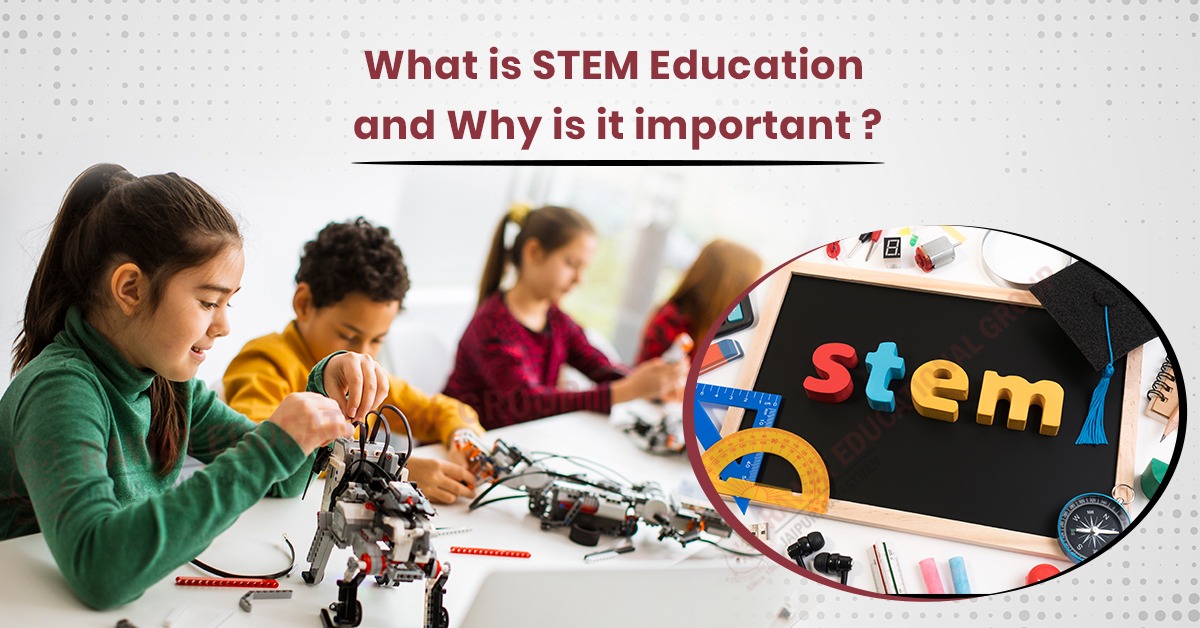
How Has STEM Education Improved Technology and Health care?
In recent years, the integration of Science, Technology, Engineering, and Mathematics (STEM) education has emerged as a transformative force across various sectors, particularly in technology and healthcare. This multidisciplinary approach not only cultivates critical thinking and problem-solving skills among students but also fosters innovation that drives advancements in these fields. As we delve into the evolution of STEM education, we will explore its significant contributions to technological breakthroughs and healthcare innovations, highlighting case studies that showcase successful programs and initiatives. Furthermore, we will address the challenges faced in promoting STEM education and consider future trends that could shape its impact on society.
The Evolution of STEM Education
Historical Context of STEM Education
STEM education has its roots in the early 20th century, when educators began to recognize the importance of science and mathematics in shaping a well-rounded individual. However, it wasn’t until the 1990s that STEM as we know it really gained traction. The U.S. education system started to realize the potential of integrating science, technology, engineering, and math into a cohesive learning model. This shift was partly driven by the need for a workforce capable of tackling the challenges posed by rapid technological advancement and globalization.
Key Milestones in STEM Development
Fast forward to the 21st century, and we’ve seen some key milestones in the development of STEM education. The launch of the STEM Initiative in 2009 marked a significant national commitment to revamping education to produce more graduates in these critical fields. Following that, the push for hands-on learning and problem-solving, particularly through initiatives like Project-Based Learning (PBL) and the maker movement, has fundamentally changed classroom dynamics, engaging students in creative and practical applications of their knowledge.
Current Trends in STEM Education
Today, STEM education is thriving, with trends like online learning, gamification, and an emphasis on diversity and inclusion taking center stage. Schools are increasingly incorporating coding into their curriculums from an early age, while universities are adapting by offering interdisciplinary programs. The rise of tech giants launching educational initiatives also adds fuel to the fire, as they aim to inspire the next generation of innovators. Plus, let’s not forget the cool factor—robotics competitions and hackathons are turning learning into an exciting adventure!
Enhancements in Technology Through STEM Initiatives
Innovative Technologies Arising from STEM
STEM education has been a breeding ground for innovative technologies that are changing the way we live. From wearable health monitors that track everything from heart rates to sleep patterns, to smart home devices that make life a breeze, the influence of STEM is everywhere. The collaborative nature of STEM encourages the combination of ideas and expertise, leading to groundbreaking developments such as artificial intelligence and the Internet of Things, which continue to evolve at breakneck speed.
The Impact of Coding and Robotics
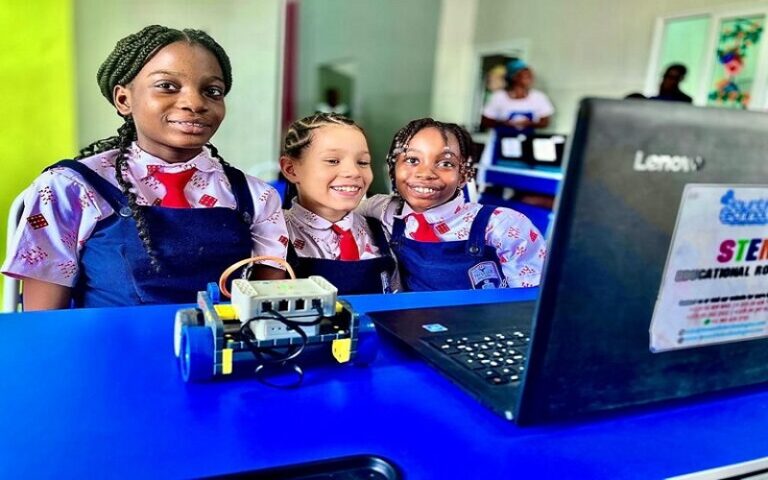
Coding and robotics have emerged as the rock stars of the STEM education scene. Learning to code is now as fundamental as learning to read, and robotics classes are popping up like daisies in spring. These skills not only enable students to understand the technology around them but also empower them to create new solutions. Whether it’s designing a robot to assist with household chores or programming software to automate processes, the possibilities are as limitless as a young coder’s imagination.
STEM Education and its Influence on Startups
The connection between STEM education and the startup ecosystem is undeniable. As universities churn out tech-savvy graduates equipped with the skills to innovate, we’ve witnessed a boom in startups aimed at solving modern problems. Many entrepreneurial endeavors are rooted in STEM principles, giving rise to everything from health tech to edtech companies. Incubators and accelerators are now prioritizing STEM-based projects, recognizing that a strong foundation in these subjects can lead to sustainable business models that tackle real-world issues.
The Role of STEM in Advancing Healthcare Innovations
Breakthroughs in Medical Technology
Thanks to STEM education, we’re experiencing a renaissance in medical technology. Innovations like telemedicine, robotic surgeries, and 3D printing of organs are changing the landscape of healthcare. Engineers and scientists are collaborating to create devices that not only enhance the accuracy of diagnoses but also improve patient care. The integration of technology into medicine allows for more personalized treatments and has the potential to revolutionize patient outcomes.
Data Science and Its Application in Healthcare
Data science, a key aspect of STEM, is reshaping the healthcare industry by enabling the analysis of massive datasets to derive meaningful insights. From predicting outbreaks to individualized treatment plans, the application of data science helps healthcare professionals make informed decisions quickly. Machine learning algorithms can identify trends that human analysts might overlook, serving as a powerful tool in the fight against diseases and in medical research.
STEM Contributions to Public Health Solutions
Public health initiatives are increasingly reliant on STEM solutions to tackle global challenges like pandemics, obesity, and mental health crises. Collaborative research facilitated by STEM professionals leads to innovative strategies for prevention, education, and treatment. Programs that blend technology with community engagement are proving particularly effective, as they leverage data-driven approaches to enhance public health outreach and promote healthier lifestyles across diverse populations.
Interdisciplinary Approaches: Merging STEM with Medicine
Collaboration Between Scientists and Healthcare Professionals
The magic happens when STEM meets medicine! Interdisciplinary collaboration is becoming the norm, with scientists, engineers, and healthcare professionals working together to develop innovative solutions. These partnerships have led to advancements like wearable health tech and AI-driven diagnostic tools. By merging their expertise, these teams can tackle complex problems from multiple angles, leading to breakthroughs that would be near-impossible in isolated silos.
Case Studies of Successful Interdisciplinary Projects
Take the case of a university team that partnered with local hospitals to create a mobile app designed to monitor chronic illnesses. By combining healthcare expertise with app development skills, they successfully bridged the gap between patients and medical staff, significantly improving patient engagement and management. Such success stories highlight how interdisciplinary approaches can not only enhance technology but also ultimately save lives.
The Importance of Soft Skills in STEM and Healthcare
While technical skills are crucial, soft skills like communication, empathy, and teamwork are just as important in both STEM and healthcare. Professionals who can effectively communicate complex ideas and collaborate with diverse teams are invaluable. After all, what good is a brilliant invention if nobody can understand it? Fostering these skills in STEM education ensures that graduates are not only savvy in their field but also capable of making a positive impact on society through their work.
Case Studies: Successful STEM Programs Transforming Technology and Health Care
Highlighting Notable Programs and Their Outcomes
Across the globe, numerous STEM programs have set the bar high, showing just how much innovation can thrive in the right environment. One standout example is the “Bioengineering and Technology for the Future” initiative at Stanford University. By blending engineering principles with medical needs, students have developed devices like portable diagnostic tools that can detect diseases at home. The outcomes? Reduced wait times for tests and a massive leap in accessibility for patients. Similarly, the “Girls Who Code” program empowers young women with coding skills, directly enabling tech innovations that cater to broader audiences. Talk about a win-win!
Lessons Learned from Successful Initiatives
Successful STEM initiatives often share common threads: hands-on experience, mentorship, and community involvement. Programs like FIRST Robotics emphasize teamwork, problem-solving, and real-world application, ensuring students not only learn but also apply their skills effectively. Mentorship from industry professionals has proven invaluable, giving students not only a glimpse into the real world but also networking opportunities that can lead to careers. The lesson? Engagement and support are the secret sauces to transform eager minds into inventive geniuses!
Scalability and Replication of Successful Models
For every success story, there’s a burning question: can it be replicated elsewhere? The good news is that many successful STEM programs contain a flexible framework that can be adapted in different contexts. For instance, the coding boot camps popping up in community colleges demonstrate that with the right curriculum, even smaller institutions can make a big impact. The key to scalability lies in collaboration and pooling resources, so that schools and organizations can learn from one another without reinventing the wheel. As they say, “sharing is caring,” and in STEM, it can lead to monumental breakthroughs.
Challenges and Limitations in STEM Education
Barriers to Access and Equity in STEM Education
Despite the glowing successes, STEM education isn’t all rainbows and butterflies. Access remains a significant hurdle—students from underfunded areas often lack the resources that their affluent peers take for granted. Whether it’s outdated technology or a scarcity of qualified educators, these barriers can stifle potential future innovators. To truly harness the power of STEM, we must work to level the playing field, because every bright mind deserves the tools to shine.
Addressing Gender and Minority Representation
When it comes to gender and minority representation in STEM, the struggle is real. Women and underrepresented minorities continue to be vastly underrepresented in fields like engineering and computer science. Programs targeting young girls and marginalized communities, such as Black Girls Code, are crucial for diversifying the talent pool. Emphasizing inclusive environments, mentorships, and visibility can inspire the next generation of diverse innovators. Because let’s face it: more perspectives equal more innovation, and who doesn’t want a slice of that?
Funding and Resource Allocation Issues
Ah, funding—the Achilles’ heel of many STEM endeavors. Budget cuts and misallocated resources create a ripple effect, limiting educational opportunities for future scientists and technologists. Additionally, many programs rely heavily on grants, which can be inconsistent and unpredictable. To thrive, STEM education must attract sustained funding and support from both public and private sectors. It’s a no-brainer: invest in education today, reap the benefits tomorrow.
Future Trends: The Next Frontier for STEM in Technology and Health Care
Emerging Technologies Shaping the Future
Hold onto your lab coats, because the future of STEM is bursting with emerging technologies! From virtual reality simulations for medical training to biotechnology breakthroughs that revolutionize treatment methods, the landscape is changing rapidly. For example, 3D printing isn’t just for making cool toys; it’s now being used to create prosthetics tailored to individual patients. Just imagine the possibilities—customized medicine has never looked so good!
The Role of Artificial Intelligence and Machine Learning
Artificial Intelligence (AI) and Machine Learning (ML) are not just buzzwords; they’re revolutionizing STEM fields. In healthcare, algorithms can analyze medical data with surgical precision, predicting patient outcomes faster than doctors can say “stat!” This technology enables personalized treatment plans, making healthcare more efficient and effective. In tech, AI is buzzing around like a caffeinated bee, optimizing everything from user experiences to cybersecurity. The lesson? Embracing AI and ML in STEM education will be crucial for preparing students for the future job market.
Future Workforce Needs and Skill Development
As technology continues to evolve, so do the skills required in the workforce. The jobs of tomorrow will demand not just technical skills but also creativity, critical thinking, and collaborative abilities. STEM programs must evolve in tandem, integrating soft skills into their curricula while keeping pace with emerging technologies. Upskilling and reskilling will be the name of the game; today’s students will need to be lifelong learners to thrive in the future landscape.
Conclusion: The Lasting Impact of STEM Education on Society
Synthesizing Key Findings
In a nutshell, STEM education is a catalyst for innovation across technology and health care. From the hands-on experiences of successful programs to addressing critical challenges, there’s a clear trajectory toward a more efficient, equitable society. The examples and trends we’ve discussed underscore that investing in STEM isn’t just beneficial; it’s imperative for future progress.
The Broader Implications for Future Generations
The ramifications of a robust STEM education system extend far beyond individual success stories. By fostering a diverse and skilled workforce, we’re securing not just jobs but a brighter future. Equitable access to STEM education can empower entire communities, create economic opportunities, and lead to groundbreaking advancements that improve lives. Our future generations deserve nothing less!
Call to Action for Stakeholders in STEM Education
So, what now? It’s time for stakeholders—educators, government officials, industry leaders, and communities—to roll up their sleeves and invest in our future. Whether through funding, mentorship, or simply spreading the word about the importance of STEM education, everyone has a role to play. Let’s unite to ensure that the next wave of innovators has everything they need to change the world—one invention at a time!As we have seen, the integration of STEM education has profoundly influenced both technology and healthcare, leading to remarkable advancements and innovative solutions. While challenges remain in ensuring equitable access and representation within these fields, the future holds immense potential for further breakthroughs. By continuing to invest in and prioritize STEM education, we can empower the next generation of innovators and problem-solvers, ultimately improving the quality of life for individuals and communities worldwide. The journey of STEM is far from over, and its role in shaping our future is more crucial than ever.
Frequently Asked Questions
What is STEM education?
STEM education refers to an interdisciplinary approach that combines Science, Technology, Engineering, and Mathematics to prepare students for careers in these fields. It emphasizes critical thinking, problem-solving, and real-world applications.
How does STEM education benefit the healthcare sector?
STEM education equips healthcare professionals with the necessary skills to innovate and implement new technologies, improve patient care, and address public health challenges. It encourages collaboration between disciplines, leading to advancements in medical research and practice.
What are some challenges faced in promoting STEM education?
Challenges include disparities in access and resources, underrepresentation of minorities and women in STEM fields, and the need for improved teacher training and support. Addressing these issues is crucial for fostering a diverse and skilled workforce.
What are the future trends in STEM education?
Future trends include the integration of artificial intelligence and machine learning into curricula, increased focus on interdisciplinary learning, and enhanced partnerships between educational institutions and industry. These trends aim to better prepare students for evolving job markets and technological landscapes.