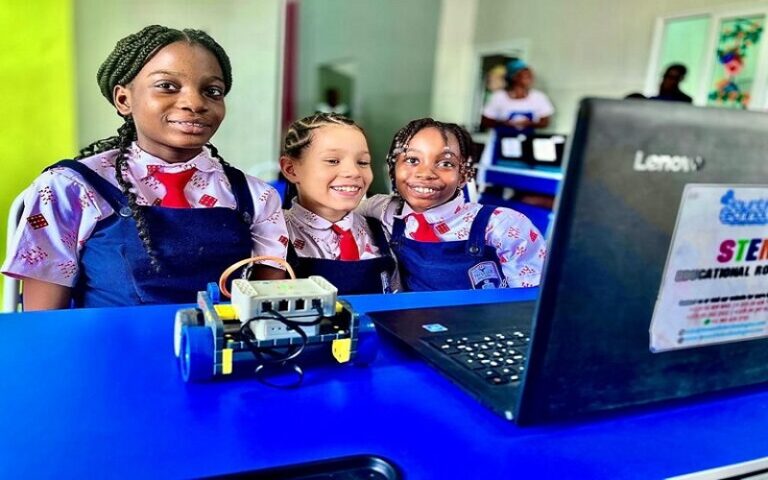

Accessing Inclusive Environments for Diverse Learners in STEM Classrooms
How to Access Inclusive Environments for Diverse Learners in STEM Classrooms
Introduction
Creating inclusive environments in STEM (Science, Technology, Engineering, and Mathematics) classrooms is essential for fostering a diverse range of talents and perspectives. An inclusive classroom not only benefits students with disabilities but also supports learners from various cultural, linguistic, and socioeconomic backgrounds. This inclusivity enhances creativity, problem-solving, and collaboration, ultimately leading to richer educational experiences and better outcomes for all students.
In STEM fields, where innovation and critical thinking are paramount, ensuring that all learners have equitable access to resources and opportunities is vital. This guide outlines a comprehensive approach to building inclusive environments in STEM classrooms, detailing actionable steps, tips for success, common pitfalls to avoid, and a conclusion that reinforces the importance of these efforts.
Steps to Access Inclusive Environments for Diverse Learners in STEM Classrooms
Step 1: Understand Diverse Learning Needs
- Research Learning Differences: Familiarize yourself with various learning disabilities, cultural differences, and language barriers.
- Gather Data: Use surveys or assessments to understand the specific needs of your students.
- Engage with Families: Communicate with parents and guardians to gain insights into their children’s learning preferences and needs.
Step 2: Design an Inclusive Curriculum
- Universal Design for Learning (UDL): Implement UDL principles by providing multiple means of engagement, representation, and action/expression.
- Varied Instructional Strategies: Use a mix of lectures, hands-on activities, group work, and technology to cater to different learning styles.
- Culturally Relevant Content: Incorporate examples and case studies that reflect the diverse backgrounds of your students.
Step 3: Create a Supportive Classroom Environment
- Flexible Seating Arrangements: Design the classroom layout to facilitate collaboration and accommodate different needs.
- Accessible Materials: Ensure that all learning materials are available in various formats (e.g., digital, audio, visual).
- Safe Spaces: Establish areas where students can go to feel safe and supported when they need a break.
Step 4: Foster a Collaborative Culture
- Group Dynamics: Form diverse groups to encourage peer learning and support.
- Peer Mentoring: Pair students with different strengths to help each other.
- Community Building Activities: Organize icebreakers and team-building exercises to strengthen relationships among students.
Step 5: Implement Technology Effectively
- Assistive Technology: Utilize tools like screen readers, speech-to-text software, and interactive apps to support diverse learners.
- Online Resources: Provide access to online platforms that offer supplementary materials and resources.
- Digital Collaboration Tools: Use tools like Google Classroom or Padlet to facilitate group projects and discussions.
Step 6: Assess and Adapt
- Formative Assessment: Regularly check for understanding through quizzes, discussions, and feedback.
- Student Reflection: Encourage students to reflect on their learning experiences and share their thoughts on inclusivity.
- Adjust Teaching Methods: Be willing to adapt your teaching based on assessment results and student feedback.
Step 7: Professional Development
- Attend Workshops: Participate in training focused on inclusive education and STEM teaching strategies.
- Collaborate with Colleagues: Share best practices and resources with fellow educators.
- Stay Informed: Keep up with the latest research and trends in inclusive education.
Step 8: Engage with the Community
- Industry Partnerships: Collaborate with local businesses and organizations to provide real-world STEM experiences.
- Guest Speakers: Invite diverse professionals in STEM fields to speak to students about their experiences.
- Family Involvement: Encourage families to participate in classroom activities and events.
Step 9: Monitor Progress
- Track Student Growth: Use data to monitor individual progress and the effectiveness of inclusive practices.
- Celebrate Achievements: Recognize and celebrate the successes of all students, fostering a positive classroom atmosphere.
- Feedback Loops: Create opportunities for students to provide feedback on the inclusivity of the classroom.
Step 10: Reflect and Revise
- Self-Assessment: Regularly reflect on your teaching practices and their impact on inclusivity.
- Seek Feedback: Ask for input from students and colleagues to identify areas for improvement.
- Continuous Improvement: Commit to ongoing learning and adaptation to enhance inclusivity in your classroom.