
STEM Education – What Is It? All You Need To Know!
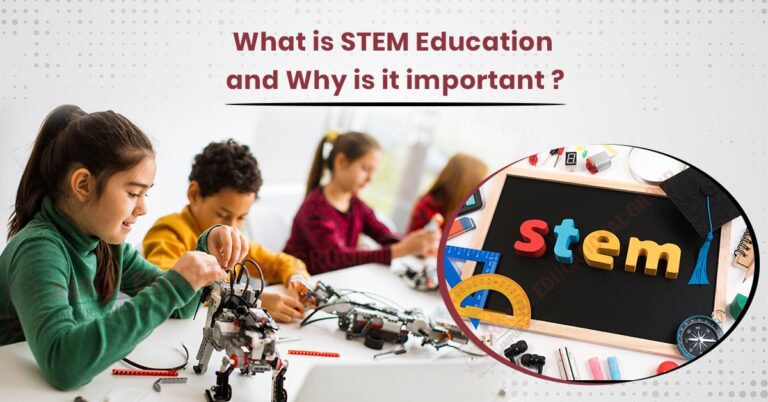
In today’s fast-paced world, STEM education has become a key focus for schools, parents, and policymakers alike. But what exactly is STEM education, and why is it so important? STEM stands for Science, Technology, Engineering, and Mathematics. This approach to learning integrates these four fields to prepare students for the challenges and opportunities of the modern world.
STEM education encourages hands-on learning and problem-solving, helping students develop critical thinking skills and creativity. Instead of learning each subject separately, students explore how science, technology, engineering, and math work together in real-life situations. This makes learning more engaging and practical.
The goal of STEM education is not just to teach facts but to inspire curiosity and innovation. It prepares students for careers in rapidly growing industries like robotics, computer science, environmental science, and engineering. By fostering teamwork, communication, and analytical skills, STEM helps students become adaptable learners who can thrive in a variety of fields.
Schools around the world are adopting STEM programs to give students a competitive edge. These programs often include project-based learning, coding classes, lab experiments, and collaborative activities that mirror real-world challenges. The idea is to make education more dynamic and relevant to today’s technological landscape.
In summary, STEM education is about blending science, technology, engineering, and math to create a comprehensive learning experience. It equips students with the knowledge and skills they need for future careers and encourages a lifelong passion for discovery. Whether you’re a student, parent, or educator, understanding STEM is essential as it shapes the future of education and innovation.
STEM Education in Africa: A Growing Opportunity
STEM education—focusing on science, technology, engineering, and mathematics—is gaining momentum across Africa. As the continent faces rapid population growth and evolving economies, empowering young people with skills in these fields has become essential for sustainable development and innovation.
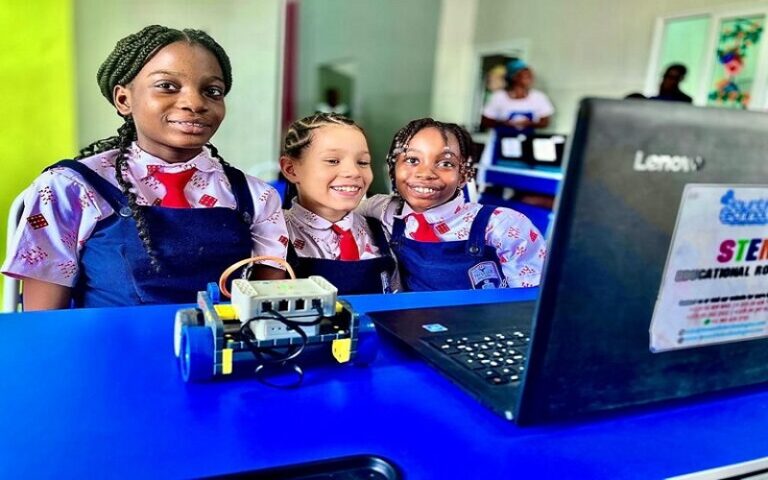
In many African countries, governments and organizations are investing in STEM programs to bridge educational gaps and prepare students for the modern workforce. This includes improving school curricula, training teachers, and providing access to technology and laboratories. Initiatives also emphasize encouraging girls and underrepresented groups to pursue STEM, addressing historical inequalities.
The impact of enhanced STEM education is already visible. Graduates equipped with STEM skills are driving advancements in agriculture, healthcare, renewable energy, and digital technology, creating new job opportunities and improving quality of life. Moreover, local innovation hubs and startups are emerging, fueled by a generation eager to solve Africa’s unique challenges through science and technology.
Despite challenges such as limited resources and infrastructure in some regions, the commitment to strengthening STEM education holds promise. By nurturing talent and fostering creativity, Africa is positioning itself to be a leader in global science and technology, transforming its future one student at a time.
STEM Education in Ghana: Empowering the Future
In recent years, Ghana has placed a strong emphasis on advancing STEM education—science, technology, engineering, and mathematics—to equip its youth with the skills needed for the 21st century. Recognizing the growing importance of these fields in driving economic growth and innovation, the government, educational institutions, and private organizations have all joined forces to strengthen STEM learning across the country.
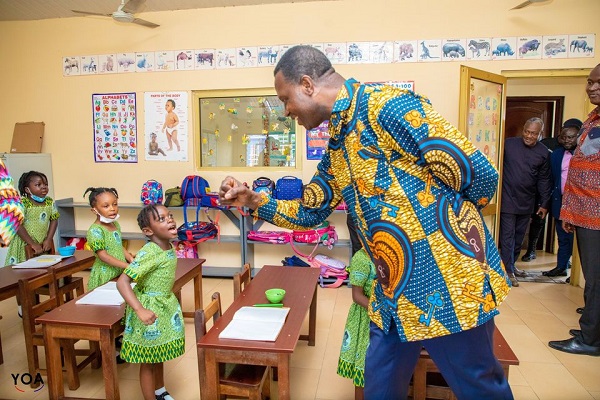
The journey begins in schools where curricula are being updated to include more practical and engaging STEM activities. Teachers are receiving specialized training to better inspire and guide students, helping them to see STEM not just as abstract subjects but as exciting opportunities to solve real-world problems. Additionally, STEM clubs and competitions have become popular, creating spaces where students can experiment, collaborate, and showcase their talents.
Beyond the classroom, Ghana is investing in infrastructure such as science labs and technology centers, especially in underserved areas, to ensure equitable access to quality STEM education. Partnerships with international organizations and tech companies bring additional resources, mentorship, and exposure to global trends. These efforts aim to foster a generation of innovators and entrepreneurs who can contribute to Ghana’s development and compete globally.
Despite challenges like limited funding and unequal resources, the momentum behind STEM education in Ghana continues to grow. It reflects a shared vision: nurturing young minds to become problem-solvers, critical thinkers, and creators. This focus on STEM promises not only brighter career prospects for Ghana’s youth but also a stronger, more resilient nation ready to thrive in a rapidly changing world.