Lessons from Successful International Models of STEM Education
In an increasingly complex and technology-driven world, the importance of Science, Technology, Engineering, and Mathematics (STEM) education cannot be overstated. As countries strive to prepare their students for the demands of the global workforce, successful international models of STEM education offer invaluable insights and strategies. This article explores key characteristics of effective STEM programs, highlights notable case studies from various countries, and examines the pivotal roles of industry partnerships, teacher training, and curriculum integration. By learning from these successful frameworks, educators and policymakers can adapt and implement best practices to enhance STEM education locally, ultimately fostering a generation of innovative thinkers and problem solvers.
Introduction to STEM Education: Global Perspectives
The Importance of STEM Education in the 21st Century
In today’s fast-paced, tech-driven world, STEM education isn’t just important—it’s essential. As we navigate a landscape dominated by artificial intelligence, robotics, and data science, the need for critical thinkers and problem-solvers has never been higher. STEM equips students with the skills to innovate, adapt, and thrive in various industries, making them not just employable, but also capable of shaping the future. In short, STEM is the magic potion that turns curious kids into the inventors, engineers, and scientists of tomorrow.
Overview of Global Trends and Innovations
Around the globe, countries are reimagining how STEM is taught. From Finland’s emphasis on creativity to Singapore’s rigorous problem-solving methods, educational philosophies vary widely, yet share a common goal: to inspire the next generation of thinkers. Innovations such as coding boots camps, maker spaces, and interdisciplinary curriculums are emerging as key trends, reflecting a shift towards practical skills and collaborative learning. As nations swap notes and strategies, it’s clear that successful STEM education is a global adventure worth embarking on.
Key Characteristics of Successful STEM Programs
Interdisciplinary Approach in Learning
Gone are the days when math, science, and technology lived in individual boxes, untouched by the outside world. The most effective STEM programs embrace an interdisciplinary approach, where subjects collide in glorious chaos. By linking concepts from different fields, students learn to see the bigger picture and apply knowledge in innovative ways. This not only makes learning more engaging but also prepares them to tackle complex real-world challenges—because let’s face it, life rarely comes in neat little packages.
Hands-on Learning and Real-world Applications
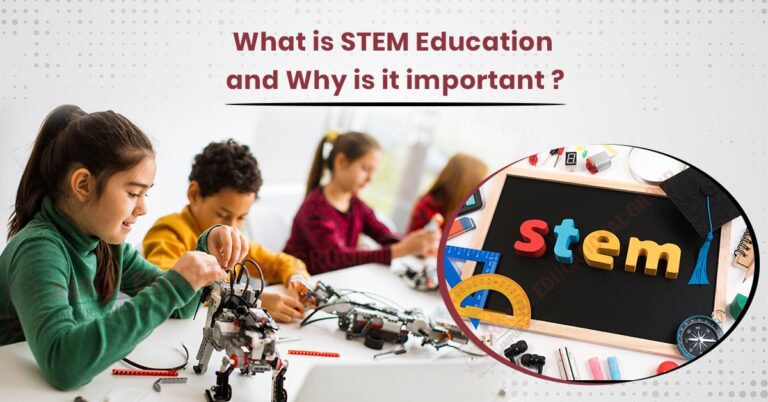
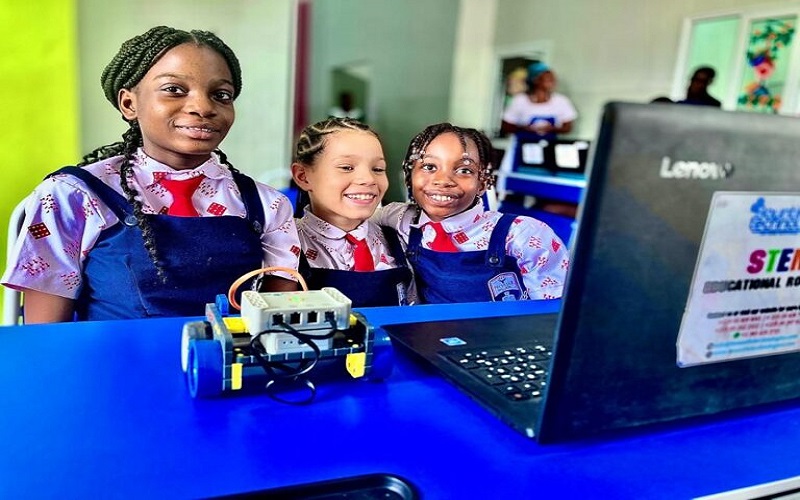
Let’s be real: lecturing for hours on end is about as effective as trying to teach a cat to fetch. Hands-on learning is the name of the game in successful STEM programs. Making things, tinkering, and experimenting foster creativity and critical thinking. Whether it’s building a robot, conducting chemistry experiments, or coding a simple game, real-world applications give students the opportunity to learn by doing. Plus, who wouldn’t want to brag about their latest science project at the next family dinner?
Assessment and Evaluation Methods
Assessment in STEM education should be as dynamic as the subjects themselves. Traditional tests have their place, but they often miss the mark when it comes to measuring creativity and problem-solving skills. Successful programs incorporate diverse methods of evaluation, such as project presentations, peer reviews, and portfolios. This allows educators to assess not just what students know, but how they apply their knowledge and collaborate with others. After all, the ability to work with teammates (or at least not throw paper airplanes at them) is just as important as acing a math test.
Case Studies: Notable International Models
Finland’s Education System: A Holistic Approach
Finland has cracked the code to balanced education, and it all starts with a holistic approach. With a focus on student well-being and creativity, Finnish schools encourage collaboration over competition. They incorporate play, encourage multi-disciplinary projects, and allow for teacher autonomy in the classroom. The result? Students who are not only academically successful but also genuinely excited about learning. Who knew that making education fun could yield such impressive outcomes?
Singapore’s Focus on Problem Solving
In Singapore, the mantra is clear: it’s not about rote memorization; it’s about solving problems. Their innovative curriculum emphasizes real-life applications and critical thinking through hands-on projects, with teachers acting as guides rather than mere dispensers of knowledge. With math and science consistently topping international rankings, it’s safe to say that their approach is not just about hitting the books but actually making sense of them in the bigger, brighter world outside the classroom.
Germany’s Dual Education System: Integrating Theory and Practice
Germany offers a unique twist with its dual education system, which integrates classroom learning with vocational training. This means that while students are hitting the books, they’re also getting their hands dirty in real-world jobs. This model ensures that graduates have practical skills that employers desire, creating a highly skilled workforce. It’s a win-win: students gain experience, and industries benefit from a steady stream of knowledgeable, prepared professionals. Talk about a match made in educational heaven!
Strategies for Effective STEM Curriculum Integration
Project-Based Learning as a Core Component
Project-based learning (PBL) is the superhero of STEM education. It encourages students to dive deep into projects that require research, collaboration, and creativity. By tackling real-world problems or designing innovative solutions, students not only learn to think critically but also develop skills that are invaluable in any career. Plus, let’s face it—a project you can actually see and touch is way more exciting than a textbook chapter. Who wouldn’t want to build a bridge or create a sustainable garden?
Incorporating Technology and Digital Tools
In the age of tech, ignoring digital tools in STEM education is like hosting a pizza party without the pizza. From coding apps to simulation software, technology must be integrated into the learning process. These tools not only enhance engagement but also help students develop digital literacy skills. After all, if future astrophysicists can’t tell their Python from their Java, we might have a problem on our hands. So, let’s embrace tech and prepare them for the digital future!
Creating Collaborative Learning Environments
Collaboration is key in life—and it should be in education too! Successful STEM programs foster environments where students work together, share ideas, and learn from one another. Group projects encourage teamwork while teaching essential communication skills. Whether through lab partnerships or brainstorming sessions, collaboration helps students appreciate diverse perspectives and solutions, laying the groundwork for a more inclusive future. After all, two heads are better than one, especially when navigating the complexities of STEM!
Role of Industry Partnerships in STEM Education
Benefits of Collaboration with Local Industries
Collaboration with local industries is like adding espresso to your morning coffee— it significantly boosts the flavor and energy of STEM education. When schools partner with businesses, students gain real-world insights and experiences that textbooks simply can’t provide. It fosters a mutually beneficial ecosystem: companies get to showcase their innovations and attract future talent, while students can see the practical applications of their classroom knowledge. Plus, who doesn’t want to hear from an actual scientist or engineer instead of just their teacher droning on about the periodic table?
Internships and Mentorship Programs
Internships and mentorship programs serve as the golden handshake between education and industry. These opportunities allow students to “get their hands dirty” and apply their skills in a professional environment, making learning tangible. Mentorship, on the other hand, is like having a personal GPS for navigating the winding roads of career choices—providing guidance, support, and sometimes even a friendly nudge in the right direction. Many young minds have transformed their aspirations into reality through the invaluable experiences and connections these programs provide.
Aligning Curriculum with Workforce Needs
Aligning the STEM curriculum with workforce needs is akin to tuning a guitar before a concert; if it’s off, no one wants to hear it. By collaborating with industry stakeholders, schools can ensure that what students learn directly correlates with the skills and knowledge employers are seeking. This means more relevant courses and fewer instances of students wondering, “When will I ever use calculus in real life?” Instead of just dreaming about career possibilities, students can walk confidently into job markets that are eager for their freshly polished skills.
Teacher Training and Professional Development in STEM
Importance of Continuous Learning for Educators
Just as students need to evolve beyond the basics, so do teachers. Continuous learning for educators is crucial in a field that’s constantly changing faster than you can say “quantum physics.” Staying updated on the latest technologies, teaching methods, and industry trends empowers teachers to deliver engaging and relevant STEM education. Think of it as a never-ending game of keep-up—because in the world of STEM, innovation waits for no one.
Workshops and Certification Programs
Workshops and certification programs are the training wheels that help educators confidently ride into the world of STEM. These organized professional development opportunities equip teachers with fresh strategies, tools, and insights. Plus, they offer networking avenues that can lead to more creative and impactful teaching approaches. After all, who wouldn’t want to walk into their classroom armed with the latest tips and tricks to make science and math come alive?
Building a Community of Practice
Creating a Community of Practice (CoP) is like forming a STEM Avengers team—but with slightly less spandex and more spreadsheets. By connecting educators, schools can foster collaboration, share best practices, and collaboratively tackle challenges. This support network can inspire innovative teaching approaches, promote resource sharing, and build a sense of belonging among educators. When teachers feel empowered and supported, their enthusiasm for STEM education inevitably trickles down to their students.
Challenges and Solutions in Implementing STEM Education
Addressing Resource Limitations
Resource limitations in STEM education often evoke images of a hamster on a wheel—lots of effort, but little progress. Many schools struggle with outdated equipment, insufficient funding, and limited access to technology, making it challenging to provide quality STEM programs. However, it’s not all doom and gloom! Creative solutions, like seeking partnerships with local businesses for donations or grants, and incorporating community volunteers, can bridge the resource gap. After all, sometimes the best solutions come from thinking outside the traditional funding box.
Cultural and Societal Barriers to STEM Learning
Cultural and societal barriers can often create a bumpy road for STEM education. Stereotypes, lack of role models, and accessibility challenges can discourage students from pursuing STEM fields. It’s essential to dismantle these outdated notions and create an inclusive environment that encourages all students to explore their interests. Initiatives like outreach programs, workshops, and diverse representation can help break down these barriers and show students that STEM is for everyone—not just those who fit a certain mold or narrative.
Strategies for Sustaining STEM Initiatives
Sustaining STEM initiatives can sometimes feel like trying to keep a house of cards standing in a wind tunnel. Educational programs need consistent investment, enthusiasm, and evaluation to thrive long-term. Implementing strategies such as building strong community partnerships, securing ongoing funding, and regularly assessing program effectiveness can create a sturdy foundation for success. Plus, celebrating small victories along the way can keep everyone motivated—because who doesn’t love a good confetti moment?
Future Directions: Adapting Successful Models Locally
Customizing Global Insights for Local Contexts
Adapting successful international models of STEM education locally is like taking a beautiful piece of art and giving it a personal touch—make it fit your unique wall! Every community has its own needs, strengths, and challenges. By customizing global insights, educators can create programs that resonate with local students while still drawing from successful strategies. This localized approach ensures relevance and fosters ownership among students and educators alike.
Policy Recommendations for Effective Implementation
Policy recommendations play a pivotal role in transforming the vision of STEM education into reality. Advocating for innovative educational policies, increased funding, and supportive structures can pave the way for successful implementation. It’s essential for stakeholders to engage in dialogue and collaborate on policies that emphasize equity, access, and quality in STEM education. After all, a solid policy framework can serve as the bedrock for lasting change—like a good foundation in a house, it keeps everything standing strong!
Measuring the Impact of Adapted Models
Measuring the impact of adapted STEM models is like checking your garden’s growth after nurturing it for a season—you want to see that all your hard work is paying off! Implementing robust assessment tools and metrics can help educators evaluate program effectiveness and student outcomes. This data-driven approach enables continuous improvement, allowing educators to refine their strategies and ensure that they’re meeting the needs of their students. Because if you’re not measuring success, are you really gardening, or just hoping for the best?In conclusion, the lessons drawn from successful international models of STEM education provide a roadmap for enhancing educational practices worldwide. By embracing interdisciplinary approaches, fostering industry collaborations, and investing in teacher development, countries can cultivate a robust STEM culture that prepares students for future challenges. As we look to the future, adapting these proven strategies to meet local needs will be essential in nurturing the next generation of scientists, engineers, and innovators. The journey toward effective STEM education is ongoing, but the insights shared in this article pave the way for meaningful progress and transformation.
Frequently Asked Questions (FAQ)
What are the key elements that make a STEM education program successful?
Successful STEM education programs typically incorporate an interdisciplinary approach, hands-on learning experiences, real-world applications, and effective assessment methods. They also emphasize collaboration among students and integration of technology.
How can local educators adapt successful international STEM models to their context?
Local educators can adapt successful international models by analyzing the specific needs and resources of their communities, customizing curriculum content, building partnerships with local industries, and involving stakeholders in the decision-making process.
What role do industry partnerships play in enhancing STEM education?
Industry partnerships provide students with practical experiences, mentorship opportunities, and insights into real-world applications of STEM concepts. These collaborations can also help ensure that the curriculum aligns with current workforce demands.
Why is teacher training important in STEM education?
Effective teacher training is crucial in STEM education as it equips educators with the necessary skills and knowledge to deliver engaging, relevant content. Continuous professional development helps teachers stay updated on the latest teaching methods and technological advancements.